

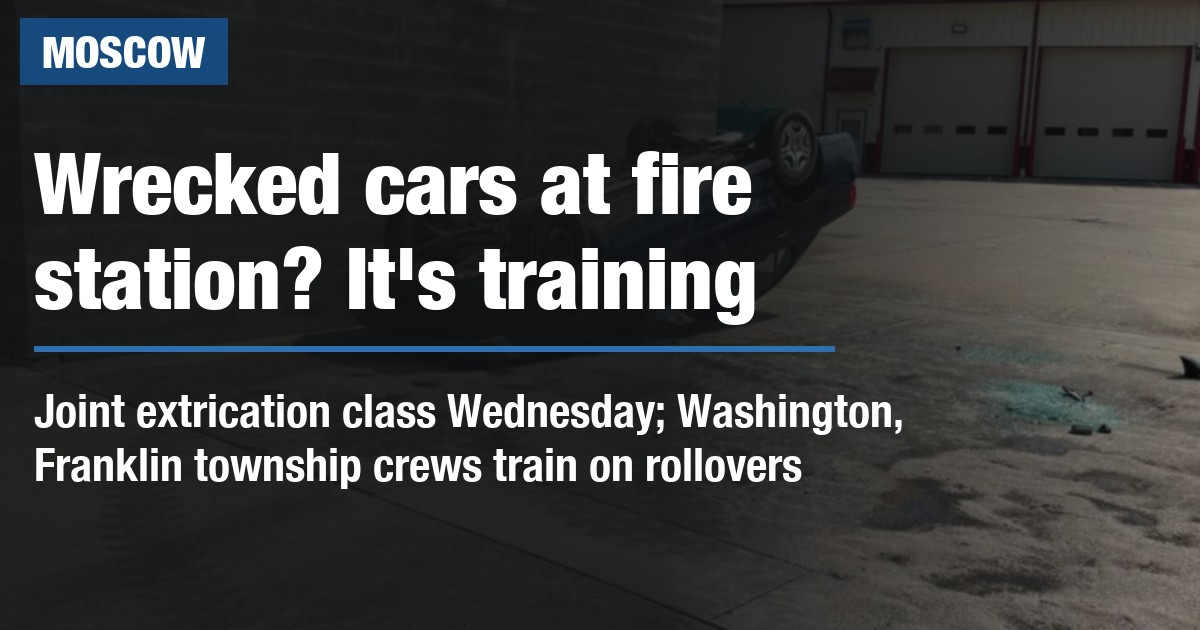
MOSCOW, Ohio — The overturned, crumpled cars that turned up this week outside the Washington Township Fire & Rescue station aren’t wreckage from a crash. They’re set pieces for a class.
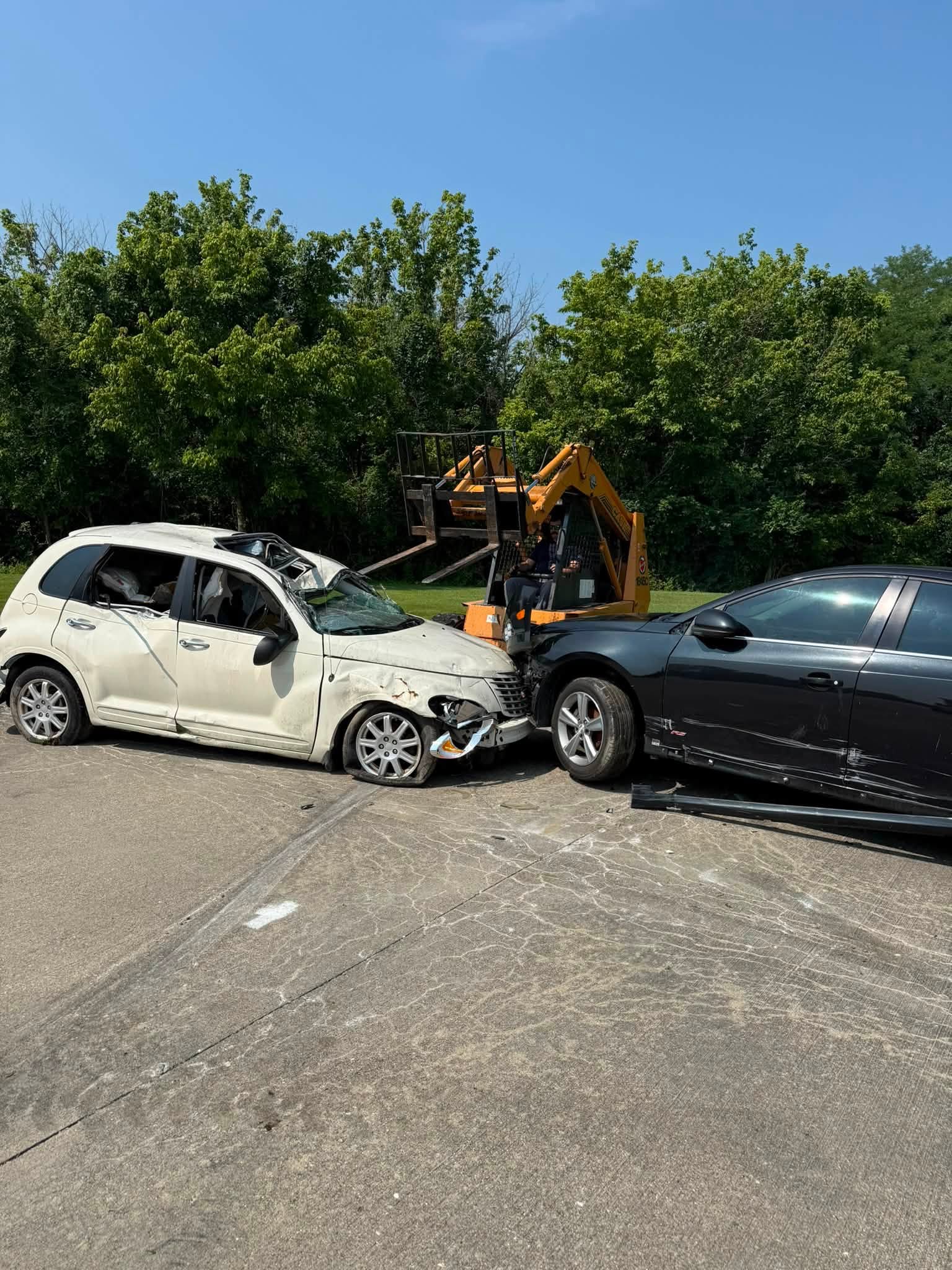
Personnel from Washington Township and Franklin Township fire and EMS departments will take part in a joint vehicle extrication class Wednesday at the Washington Township Fire & Rescue training center in Moscow, the department said in a Facebook post. Crews spent Monday positioning several wrecked vehicles — some flipped onto their roofs, others nose to nose — at individual skills stations around the training yard ahead of the exercise.
“No need to be concerned, there has not been a massive pile up at the Training area of WTFR,” the department said in its post, addressing what it expected would be a natural reaction from residents driving past the lot.
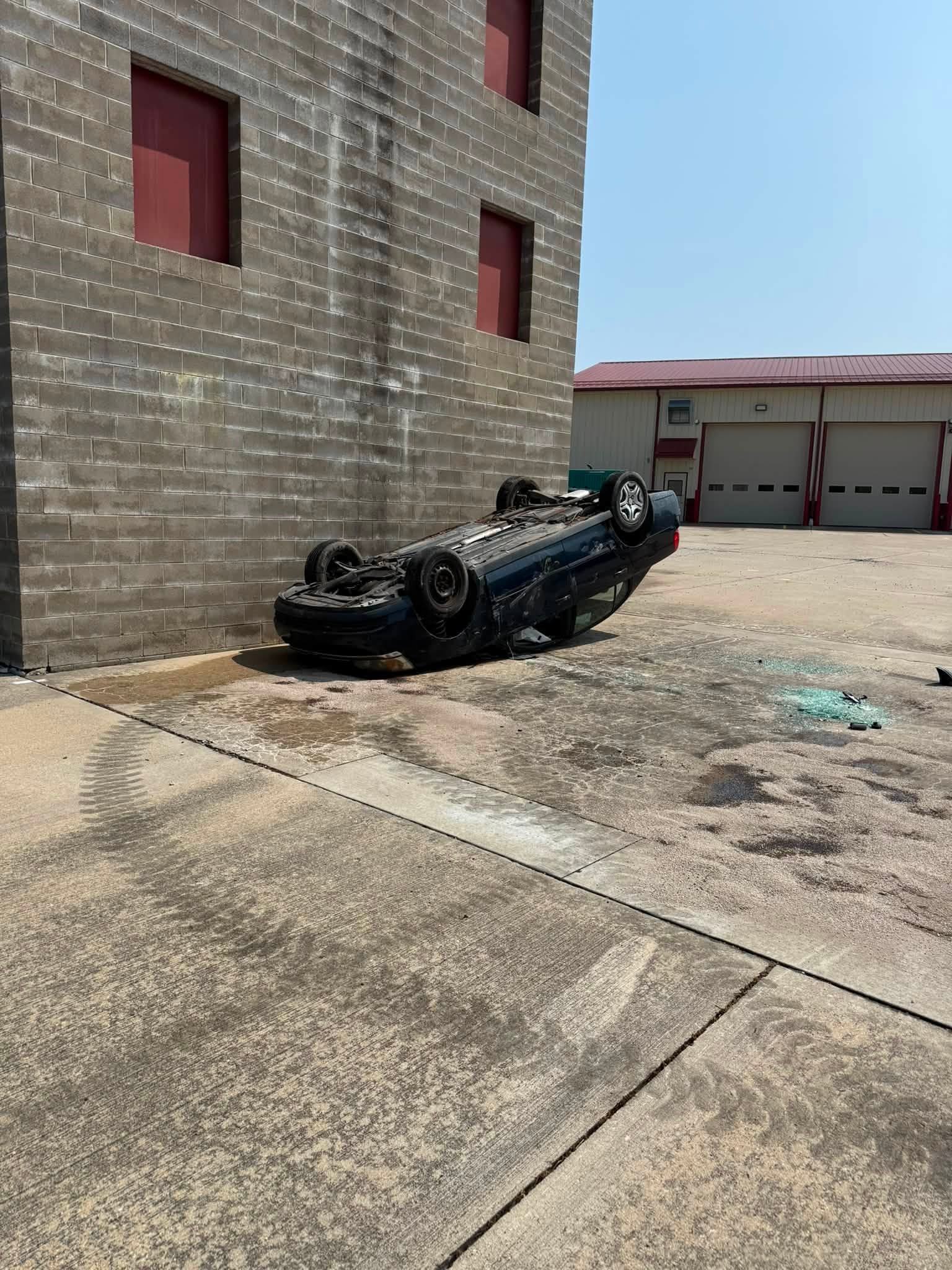
The class will focus on techniques for freeing occupants from vehicles that end up in positions other than resting upright on four wheels — rollovers, cars on their sides or vehicles pinned against each other — scenarios crews encounter on area roads. Extrication training typically pairs stabilization work, using cribbing and struts to keep a wrecked vehicle from shifting, with hydraulic spreading and cutting tools, commonly known as the Jaws of Life, to open a path to trapped occupants.
Washington Township Fire & Rescue serves the Moscow and Neville area along the Ohio River in southern Clermont County, a roughly 36-square-mile township of about 2,182 residents, according to the 2020 census. The department runs three stations and is staffed mostly by paid-per-call and part-time firefighters, with 11 career staff and 24 paid-per-call firefighters on its roster; James Haas serves as fire chief.
Franklin Township Fire & EMS, based at Station 14 in Felicity, staffs its station around the clock with crews that respond to 911 calls in addition to fire inspections and public education duties. Fire Chief Brad Moore has led the department through 27 years of service.
Joint training between neighboring departments is common practice for smaller, mostly volunteer fire agencies, allowing crews who may respond to the same accident scenes as mutual aid partners to drill on the same equipment and techniques together.
The information contained in this story was obtained from Washington Township Fire & Rescue.