

CLERMONT COUNTY, Ohio — The Clermont County Park District is asking residents to check their trees for spotted lanternfly egg masses this winter, part of a statewide push to slow the spread of an invasive pest that has put Ohio’s grape and wine industry under quarantine.
The spotted lanternfly is “one of southwest Ohio’s newest pests,” the park district said in a Facebook post. Despite its name, the insect is not a true fly but a planthopper that reproduces rapidly and can swarm trees. As it feeds, it excretes a sugary substance known as honeydew that can weaken bark and expose trees to disease, fungus and rot, the park district said.
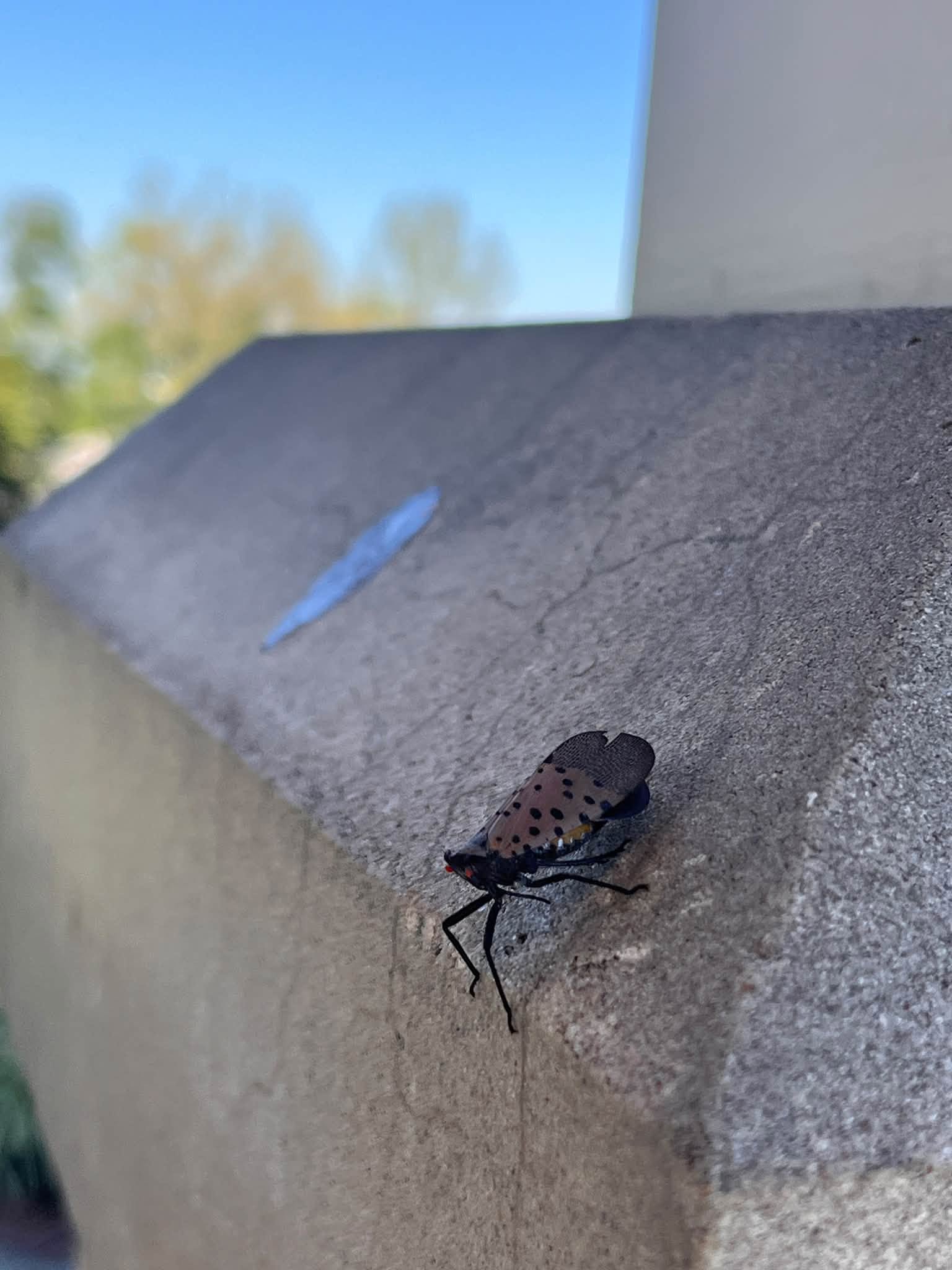
The spotted lanternfly is native to Asia and was first confirmed in the United States in Pennsylvania in 2014 before reaching Ohio in 2020. The insect feeds on more than 70 plant species, including grapes, hops and apples, and poses a particular threat to Ohio’s grape and wine industry, which generates more than $6 billion in economic activity annually, according to the Ohio Department of Agriculture. The agency expanded its spotted lanternfly quarantine to cover all 88 Ohio counties effective Feb. 17, up from 18 counties previously, requiring compliance agreements, permits or inspection certificates to move trees and nursery stock out of the state.
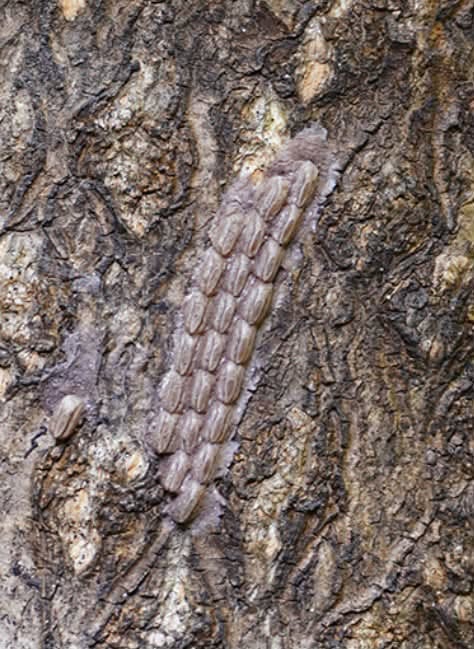
Female spotted lanternflies lay egg masses in the fall that survive through winter attached to tree bark, stone or other hard surfaces, with each mass containing 30 to 50 eggs that typically hatch before spring. The park district is urging residents to inspect trees on their property throughout the winter and scrape any egg masses they find into soapy water or rubbing alcohol to kill them before they hatch.
The park district also recommends removing Tree of Heaven, an invasive tree species from the same region of Asia as the spotted lanternfly, from residential properties. The insect shows a strong preference for feeding on the tree, and land managers elsewhere have targeted Tree of Heaven stands as a way to cut off one of the pest’s main introduction pathways.
The information contained in this story was obtained from the Clermont County Park District.